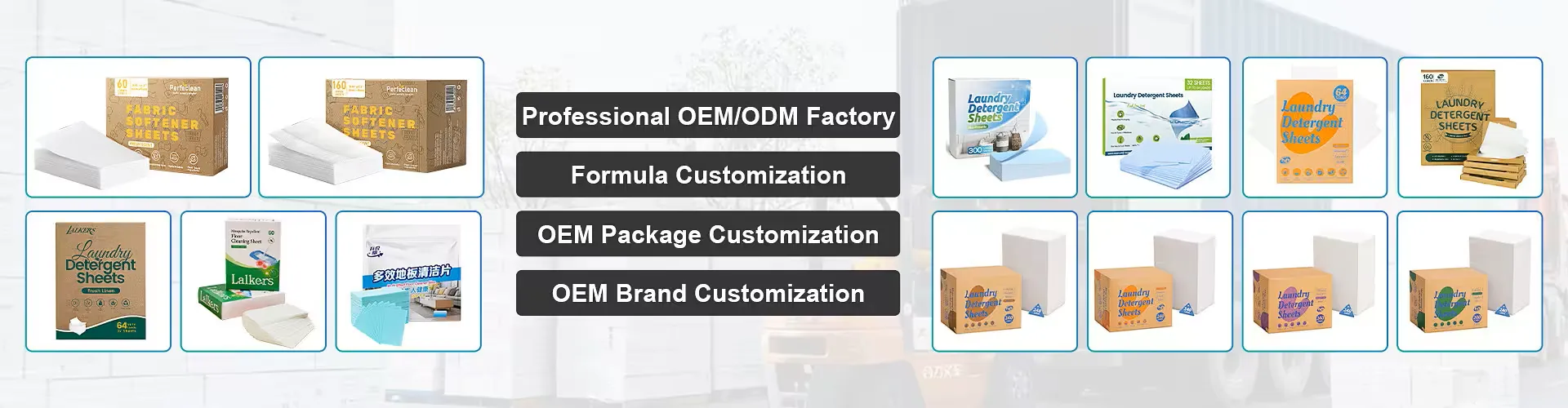
Laundry detergent sheets have grown popular for their slim, lightweight design and plastic-light packaging. These thin, dissolvable strips carry concentrated cleaning ingredients, making them easy to store, carry on trips and control without messy spills. Still, laundry sheets are not all made equal, and many people underestimate how much their formula, dissolving speed and cleaning strength can differ. Unlike laundry pods that hold a large concentrated dose inside a film, sheets usually deliver a milder load of detergent, so careful selection matters to avoid leftover residue or disappointing cleaning results.
Start by looking at the cleaning formula and stain-fighting performance. Standard sheets work perfectly for lightly soiled daily clothes, such as shirts, pyjamas and indoor wear. If you often handle sweat-stained sportswear, children’s messy outfits or heavily soiled work garments, seek out versions added with active enzymes. Enzymes help break down protein marks, grease and food stains. It is important to set realistic expectations: most laundry sheets are less powerful on old, thick oil stains than heavy-duty pods or liquid detergent. For stubborn spots, you may need to pre-treat the fabric before washing, or use two sheets for one large, dirty load. Also check whether the sheet is designed for cold-water washing. Poor-quality sheets may dissolve slowly in cold cycles and leave faint filmy marks stuck on clothing or inside the washer drum.
Skin safety and hypoallergenic features deserve close attention, especially for families with babies, people with eczema or anyone sensitive to scents and chemical additives. Many sheets come with strong artificial perfume and synthetic dyes to create long-lasting fragrance, yet these ingredients can easily trigger skin irritation. If sensitivity is a concern, pick fragrance-free and dye-free options that skip optical brighteners, parabens and harsh preservatives. Some reliable brands also add clear hypoallergenic test statements on the package. Gentle, neutral-pH sheets suit delicate fabrics like silk, lace and wool, while stronger alkaline formulas should be saved for sturdy cotton items.
Next, think about extra functions and fabric care. Some laundry sheets combine detergent with colour-protecting ingredients, which reduce colour bleeding when you wash dark and bright clothes together. A small number of products mix in softening agents, leaving fabrics smooth; however, fabric softener additives can coat synthetic sportswear and weaken its moisture-wicking ability, so avoid these for gym wear. Antibacterial and odour-control sheets are suitable for towels, bed sheets and frequently sweaty clothes, but they usually contain stronger active components and are not necessary for ordinary daily washing.
Compatibility with your washing machine and local water condition should not be ignored. Most low-sudsing sheets work safely for high-efficiency front-load washers and top-load machines. If your home has hard water rich in mineral deposits, choose sheets built with water-softening builders. Minerals in hard water bind with surfactants and weaken cleaning power, leaving laundry looking dull and stiff. Hard-water households often find ordinary sheets fail to create enough cleaning foam and cannot remove dirt thoroughly.
Value and practical usage rules also affect your final pick. Do not judge the price simply by how many sheets are in one box. Some brands recommend half a sheet for small loads and one full sheet for medium loads, while extra-large loads need two sheets. You should calculate the real cost per wash instead of only comparing pack prices. Their compact size makes laundry sheets ideal for travel, dormitories and camping, but thin, low-density sheets tend to have fewer active cleaning ingredients and may need more pieces for the same washing effect.
Safety is simpler with sheets than with colourful candy-like pods, yet basic rules still apply. Even though sheets are less attractive to young children, they are detergent products and should be kept away from kids and pets. Keep your hands dry before taking out sheets, as they start to dissolve once touching water. Do not swallow the fragments, and avoid letting loose dissolved detergent liquid touch eyes.
In short, the best laundry sheets match your typical washing situation. If you mainly wash lightly soiled clothes and care about portable, low-waste cleaning, these strips are a wonderful choice. If you frequently fight tough stains, you may need to combine them with stain removers or choose a stronger cleaning format. By checking dissolving performance, ingredient lists and special functions, you can find laundry sheets that keep your clothes fresh, clean and well protected.
Do you want me to add a short paragraph introducing well-known laundry sheet brands after this?